In January 2025 the Care Quality Commission (CQC) gave Woodways an outstanding rating overall, with individual ratings of outstanding for effective, caring, responsive and well‑led and good for safety. Woodways is a small residential home for younger adults with learning disabilities and autism, yet it achieved a level of excellence that many larger services aspire to. Below we summarise what CQC inspectors praised and how your service can use these lessons to strive for outstanding.
1. Build a proactive learning culture
The inspectors noted that Woodways had a strong, proactive safety culture based on openness and continuous learning. Accidents and incidents were recorded and monitored through a health and safety committee, and lessons were discussed at team meetings and handovers. Incident forms included detailed guidance so staff understood the of level information needed.
Practical tip: build a learning culture by reviewing incidents regularly, involving staff and people in discussions and updating care plans and procedures. Our Learning Culture Toolkit offers reflective templates and action plans to help teams learn from incidents and develop a culture of openness. It forms part of the Carevia Pro membership, which includes editable policies, dashboards and checklists aligned with CQC quality statements.
2. Place people at the centre of risk management
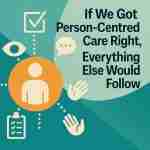
Woodways involved people in assessing and managing risks. Risk assessments were person‑centred, and positive behaviour support plans gave staff step‑by‑step guidance to keep people safe while maximising independence. The service was part of a restraint‑reduction programme and used least restrictive interventions, leading to reductions in behavioural incidents.
Practical tip: adopt positive behaviour support and co‑produce risk assessments with the people you support. Our Safeguarding Toolkit covers risk assessments, safeguarding policies and easy‑read templates to help you manage risks while respecting people’s rights. If you have specific questions about balancing risk and independence, our Ask Carevia AI assistant is available 24/7 to provide plain‑English guidance based on CQC regulations.
3. Assess needs comprehensively and collaboratively
Woodways achieved outstanding effectiveness because they thoroughly assessed people’s health, wellbeing and communication needs. Care plans were extremely person‑centred and included people’s goals, aspirations, sexuality and relationship. Relatives were kept informed and involved in planning. Staff worked closely with external professionals – epilepsy nurses, neurologists, speech and language therapists –ensuring continuity when people moved between services.
Practical tip: involve people and relatives at every stage of assessment and update care plans regularly. Use multi‑disciplinary input to achieve best outcomes.
4. Promote health and well‑being
Woodways supported people to live healthier lives by providing health action plans, monthly GP visits and engagement in activities such as the “three‑park challenge”, gym sessions and Slimming World. Staff encouraged healthier eating and exercise and used these opportunities to build independence.
Practical tip: create personalised health action plans that include annual checks, exercise and diet goals. Encourage people to access community facilities and group activities. For ideas on motivating people, read our article Why a Learning Culture Is Your Best Evidence for CQC Readiness.
5. Treat people with exceptional kindness and dignity
Inspectors found that Woodways’ staff treated people with empathy, kindness and respect. Dignity champions were in place, and respect for privacy and choice was explored through team meetings and quality audits. People were involved in creating menus and cooking together.
Practical tip: appoint dignity champions and include dignity and respect in team discussions and supervisions. Use easy‑read guides and visual resources to empower people to make choices about meals, activities and personal space. Our Complaints Handling Guide (Regulation 16) explains how listening and responding respectfully can demonstrate kindness and support an outstanding rating.
6. Personalise activities and environments
The CQC noted that Woodways provided personalised apartments and a sensory room with toys, lighting and music. People had access to a garden with a BBQ and pizza oven and could decorate spaces with their own artwork. Activities such as karaoke, gym sessions, outings and managing finances were chosen by the people themselves.
Practical tip: co‑produce daily planners with people and adapt environments to reflect their hobbies, cultural interests and sensory needs. The Ask Carevia assistant can provide suggestions for inclusive activities based on CQC good practice.
7. Be truly responsive and co‑produce care
Responsive care was one of Woodways’ strongest areas. The service co‑produced care and allowed people to lead decision‑making. Staff supported a person to change their gender identity and use their preferred name and pronouns. There was an individualised signing system for one person, enabling them to communicate and make choices. Feedback was gathered through surveys, monthly reviews and celebration of diversity events.
Practical tip: adopt co‑production by involving people in every decision, from menu planning to policies. Provide information in formats that people understand – pictures, easy‑read documents or signing systems. Carevia Pro includes tools for gathering feedback and designing services together with people and families.
8. Equity, inclusion and community integration
CQC inspectors praised Woodways for equity in access and outcomes. Staff supported people to attend community activities, learn musical instruments and go on holidays. People could change plans daily, demonstrating choice and control. Future planning included supporting a person to learn to drive and obtain a passport.
Practical tip: embed equality, diversity and inclusion in your service policies. Support people to pursue lifelong goals, learn new skills and participate in community life.
9. Lead with vision, inclusivity and governance
Woodways’ leadership was exceptional because it set a clear vision based on transparency, equality and human rights. Leaders were inclusive, compassionate and present in the service. Staff felt able to speak up about concerns, and there were open‑door policies, confidential drop boxes and regular team meetings. The governance framework included quality managers, regular audits and data‑driven decision making. Partnerships with communities and continuous learning were prioritised.
Practical tip: develop a clear mission and values statement and ensure leaders model these values. Use data and regular audits to drive improvement, and encourage staff to speak up through accessible reporting systems. Ask Carevia assistant can provide guidance on applying the Duty of Candour, managing whistle‑blowing and creating improvement plans.
10. Prioritise workforce wellbeing and development
The inspectors highlighted how Woodways promoted staff wellbeing through regular supervision, reflective discussions, employee awards, mental health support and team‑building events. Staff felt valued, listened to and involved in decision making.
Practical tip: invest in your workforce by offering regular supervision, recognising achievements and providing mental health support. Encourage continuous professional development through training and mentoring.
How Carevia and Ask Carevia Can Support You
Achieving an outstanding rating is about creating a culture of continuous improvement, learning and person‑centred care. At Carevia we understand how overwhelming CQC compliance can feel, especially for small and medium providers.
That’s why we built Carevia Pro – an all‑in‑one compliance hub that gives you editable policies, dashboards and templates aligned with the new Single Assessment Framework. Every toolkit comes in Word and Canva formats so you can customise them for your service.
Need quick answers to inspection questions or regulations? Our Ask Carevia assistant is available day and night to provide plain‑English answers based on CQC guidance and legislation. From handling complaints to developing a learning culture, Ask Carevia can help you make informed decisions fast.
If you’re ready to turn good into outstanding, try Ask Carevia free for 7 days. Or join our Carevia Pro membership to access our full suite of toolkits, action‑plan dashboards and member‑only guidance. Let Carevia help you navigate quality care – so you can focus on what matters most: supporting people to live their best lives.
Tags
CQC Outstanding Rating, CQC Compliance Tips, Adult Social Care Best Practice, Registered Manager Advice, Care Home Quality Improvement, CQC Inspection Preparation, Leadership in Social Care, Ask Carevia Support, Carevia Pro Tools, Learning from Outstanding Services, Care Home Compliance Toolkit, CQC Leadership and Culture, Outstanding Care Provider Strategies, Practical Compliance Support, CQC Regulation Made Simple