Agency Staff, Induction, and Training: Closing the Gaps That Put People at Risk
Agency and temporary staff play a vital role in keeping care services running, especially during periods of sickness, recruitment delays, or increased demand. Yet across hundreds of CQC inspection reports and coroner findings, one theme continues to appear – unsafe practice linked to unfamiliar or under-trained agency workers.
Whether it’s a choking incident, medication error, or missed health need, many serious failures share the same root cause: staff who did not know the person well enough or lacked the training to respond safely.
The Reality of Agency Dependence
Almost every provider now relies on agency staff to some degree. Workforce shortages, sickness, and burnout have made it a necessity rather than a choice. However, the CQC has raised repeated concerns about the risks that arise when services depend too heavily on temporary workers particularly when induction, supervision, and training checks fall short.
Inadequate oversight can lead to a revolving door of unfamiliar faces supporting people with complex needs. Each new worker arrives with different levels of experience, confidence, and understanding. Without a strong induction and competency framework, this creates avoidable risk and can undermine the culture of safety that services work hard to build.
Why Induction Matters
Induction isn’t just about health and safety briefings or showing staff where the fire exits are. For agency staff, it’s often the difference between safe and unsafe care. A short, well-planned induction helps temporary workers understand:
The people they are supporting including key communication needs, eating and drinking guidance, known risks, and behavioural triggers.
Emergency procedures and escalation routes.
Medication systems and who to contact if unsure.
The importance of recording, reporting, and reflective communication.
The CQC expects all staff regardless of employment type to receive a robust induction that enables them to deliver safe, person-centred care from day one.
Training and Competency Checks
Many incidents involve staff who had completed generic training but lacked practical understanding. For example, choking deaths have occurred where agency staff did not recognise the signs of dysphagia, served food outside a person’s prescribed texture, or were unaware of postural guidance in the care plan.
Training must go beyond certificates. Managers should:
Verify core training (e.g., moving and handling, first aid, safeguarding) before shifts start.
Check additional competencies relevant to people’s needs such as PEG feeding, epilepsy management, or diabetes support.
Ask agencies to share staff training matrices and evidence of recent refreshers.
Carry out practical observations during shifts to confirm safe practice.
Remember that Regulation 18 requires providers to ensure all staff are competent for their role, and Regulation 12 demands safe care and treatment. These apply equally to agency workers as permanent employees.
Turn Learning Into Safer Practice
If this post highlighted gaps in induction, training or agency oversight, Carevia Pro gives you the practical tools to close them quickly and confidently.
Creating a Safe and Inspection-Ready Agency Induction Process
Agency staff can play a valuable role in maintaining continuity of care, but they also introduce additional risk if assurance, induction and oversight are weak. CQC are clear that responsibility for safe care always sits with the provider. Even where an agency has failed, the provider must evidence that reasonable and proportionate checks, induction and monitoring were in place.
Agency staff should never be viewed as being there simply “to make up the numbers”. They are delivering regulated care and must be supported, supervised and held to the same safety expectations as permanent staff.
Pre-Employment and Suitability Assurances
Providers must be able to demonstrate that appropriate checks have been completed before agency staff work independently. This includes gaining and recording assurance that:
identity has been verified
the correct level of DBS check is in place
employment history and suitability have been considered
right to work has been confirmed
Where agency staff are registered professionals, such as nurses, providers must also take reasonable steps to confirm that:
their professional registration (for example NMC PIN) is active
there are no conditions, restrictions or concerns that impact suitability
registration status is rechecked periodically, not assumed
Importantly, providers retain a legal duty to refer concerns to the DBS in relation to agency staff in the same way they would for their own employees. This applies even where the agency has also stated they will make a referral.
Inspectors will look for evidence that providers understand this responsibility rather than assuming it sits solely with the agency.
Clear Expectations From the First Shift
A robust agency induction is not about paperwork alone. It is about setting clear expectations for behaviour, competence and accountability.
Induction should explicitly cover:
expected standards of care and conduct
how concerns, deterioration or incidents must be escalated
who to go to for support during the shift
what good practice looks like in your service
It should never be acceptable for agency staff to work independently without understanding how care is delivered in that setting.
Practical Steps That Strengthen Safety and Assurance
A structured, consistent approach can significantly reduce risk and strengthen inspection confidence. Consider introducing:
Agency Induction Checklist – a concise checklist covering safeguarding contacts, medication risks, choking protocols, emergency procedures and escalation routes
One-Page Person Profiles – short summaries for each person supported, highlighting communication needs, dietary requirements, behaviours that communicate, mobility risks and red flags
Daily Competency Log – a simple sign-off confirming the agency worker has read key care plans, understands current risks and has completed any required shadowing before working alone
Shift Spot-Check Audits – brief post-shift reviews to identify learning needs, concerns or gaps in understanding and to provide timely feedback
These steps demonstrate that agency use is actively managed, not passively accepted. They also provide tangible evidence that the service monitors the safety and competence of temporary staff in real time.
Responding to Poor Performance or Concerns
Providers should have a clear Use of Agency Policy that sets out:
what constitutes poor or unsafe practice
how concerns are escalated during a shift
when an agency worker should be removed from duties
how learning is captured and shared
when and how referrals (including DBS) are considered
CQC are particularly concerned where providers continue to use agency staff despite repeated concerns, without evidence of action, escalation or learning.
Effective services can clearly explain:
what assurances were in place
how performance was monitored
what action was taken when standards were not met
how risks to people were mitigated immediately
Taken together, these measures show CQC that the service understands its responsibilities, actively manages risk and does not rely on assumption when it comes to agency staff safety and competence.
Leadership and Accountability
Strong leadership is not passive. It is visible, curious and accountable.
In services where care is safe and consistent, leaders do more than manage rotas and respond to incidents. They actively shape how people think, question and act. Managers who model professional curiosity, reflective supervision and day-to-day oversight set a clear expectation that safety is everyone’s responsibility not something delegated to permanent staff alone.
CQC consistently look for evidence that leaders:
understand what is happening on the floor, not just on paper
are aware of who is working each shift and what support they need
notice emerging risk early and act decisively
create space for staff to question, reflect and escalate without fear
Agency staff are part of this system. When they are treated as temporary outsiders, risk increases. When they are included, briefed and supported, they become safer contributors to care.
A short, structured welcome briefing at the start of every shift is a simple but powerful leadership tool. It should confirm:
who is most at risk today
any recent incidents, near misses or deterioration
key care plan changes or behavioural triggers
escalation routes and who is leading the shift
This does more than share information. It signals expectations, reinforces accountability and gives agency staff permission to speak up.
In practice, this is often the difference between a small error being corrected early and a serious incident developing unnoticed.
Strong leaders do not assume competence. They check understanding, observe practice and follow through. They are present enough to know when something does not feel right and confident enough to act on it.
This is what CQC mean by leadership that is well-led, not just well-intentioned.
Be Inspection-Ready, Not Inspection-Reactive
CQC expect clear evidence of how agency staff are inducted, supervised and monitored.
Carevia Pro includes ready-to-use templates to support regulatory compliance.
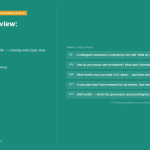
How consistent is your induction process for agency and bank staff across all shifts and locations?
Are staff given enough information about the people they support before they begin care tasks?
Do you have a clear system for checking agency training, competence, and supervision?
Could new or temporary staff confidently support a person with choking risks tonight?
When did you last review your induction and agency oversight process as part of your governance system?
These questions align closely with the CQC’s expectations under the Well-Led and Safe key questions and are excellent prompts to use in supervision or team reflection sessions.
Final Thought
Agency staff bring flexibility, but flexibility must never compromise safety. A consistent induction, strong leadership, and clear communication are what transform temporary workers into safe and confident contributors to your team.
Small gaps can lead to serious harm but with the right systems, those gaps can be closed.
Frequently Asked Questions
Why do agency staff create additional risk in adult social care
Agency staff often arrive unfamiliar with people being supported at the service, risks and routines. Without a consistent induction and competency check, teams can miss key care plan details such as choking guidance, mobility support, behaviours that communicate and escalation routes. Risk is not about agency staff themselves. It is about whether your system helps them deliver safe, person-centred care from the first shift.
What do CQC expect for agency induction and oversight
CQC expect the provider to evidence that all staff, including agency and bank staff, are inducted, supported and competent to deliver safe care. Inspectors will look for clear systems that show how you brief agency staff, how you check competence, and how you monitor practice. Responsibility for safe care remains with the provider, even when staff are supplied by an agency.
Which regulations does agency induction support
Regulation 12 Safe care and treatment by reducing avoidable harm through safe practice, escalation and risk management.
Regulation 18 Staffing by evidencing that staff are competent, supported and appropriately deployed.
Regulation 19 Fit and proper persons employed by showing reasonable checks and suitability assurance are in place, including for temporary staff.
What should a safe agency induction include on the first shift
A short induction should prioritise safety and person-centred risk. At minimum it should cover:
who is most at risk today and why
key care plans and risk assessments that must be followed on shift
communication needs, eating and drinking guidance and mobility support
medication process, second checks and who to contact if unsure
emergency procedures and escalation routes
recording and reporting expectations including incidents and near misses
This is not exhaustive. It is the minimum information needed to support safely.
What practical tools strengthen inspection confidence with agency staff
Agency Induction Checklist with safeguarding contacts, choking protocol, medication risks, emergency procedures and escalation routes.
One-page person profiles with communication needs, dietary requirements, behaviours that communicate, mobility risks and escalation flags.
Daily competency log confirming key care plans have been read, risks understood and any shadowing completed before independent work.
Shift spot-check audit to capture concerns, learning needs and feedback while it is fresh.
These provide tangible evidence that agency use is actively managed, not passively accepted.
How do we check training and competence beyond certificates
Certificates show attendance, not safe practice. A stronger approach includes:
verifying core training before the shift and checking expiry dates
checking role-specific competencies relevant to your people, such as dysphagia, epilepsy, diabetes support or PEG where applicable
observing practice during the shift and recording what was seen
asking staff to explain what they noticed, what they thought it meant and what they would do next
This is how you evidence competence under Regulation 18 and demonstrate safe practice under Regulation 12.
What pre-employment and suitability assurances should we record for agency staff
You should record assurance that reasonable checks have been completed before agency staff work independently, including:
identity verified
appropriate DBS level confirmed
right to work confirmed
employment history and suitability considered
If staff are registered professionals, also record that you have checked registration is active and whether any conditions or restrictions apply. Do not assume it remains valid. Recheck periodically.
If an agency makes a mistake, is the provider still accountable
Yes. Providers remain responsible for ensuring safe care and competent staffing. Even if the agency is at fault, CQC will expect the provider to evidence that proportionate checks, induction and monitoring were in place. Agency staff should not be treated as being there to make up the numbers. They are delivering regulated care.
Do providers have a duty to refer agency staff to the DBS
Providers can still have a legal duty to make a DBS referral where safeguarding criteria are met, even when the individual is supplied by an agency. Do not assume the responsibility sits solely with the agency. If concerns meet the threshold, follow your safeguarding processes, take advice where needed and document your decision making.
What should our Use of Agency policy include
minimum checks and induction requirements before independent working
performance expectations and standards of conduct
how concerns are escalated during the shift and who makes decisions
when an agency worker is removed from duties and how this is recorded
how learning is captured and shared across the team
how referrals and notifications are considered where appropriate
Inspectors probe services that continue to use agency workers despite repeated concerns without evidence of action or learning.
How can leaders make agency shifts safer in real time
Use a short welcome briefing at the start of every shift. Confirm:
who is most at risk today
recent incidents, near misses or deterioration
key care plan updates and behavioural triggers
who is leading the shift and escalation routes
Then check understanding with one or two simple questions. Strong leaders do not assume competence. They observe, follow through and act early.
How can we use this topic to link to other Carevia posts
If you want to build learning and governance momentum, link agency safety to the wider system. These related Carevia posts are natural next reads:
If this post highlighted gaps in induction, training or agency oversight, Carevia Pro gives you the practical tools to close them quickly and confidently.